
HebCelt: the festival on the edge of the map running on Dines
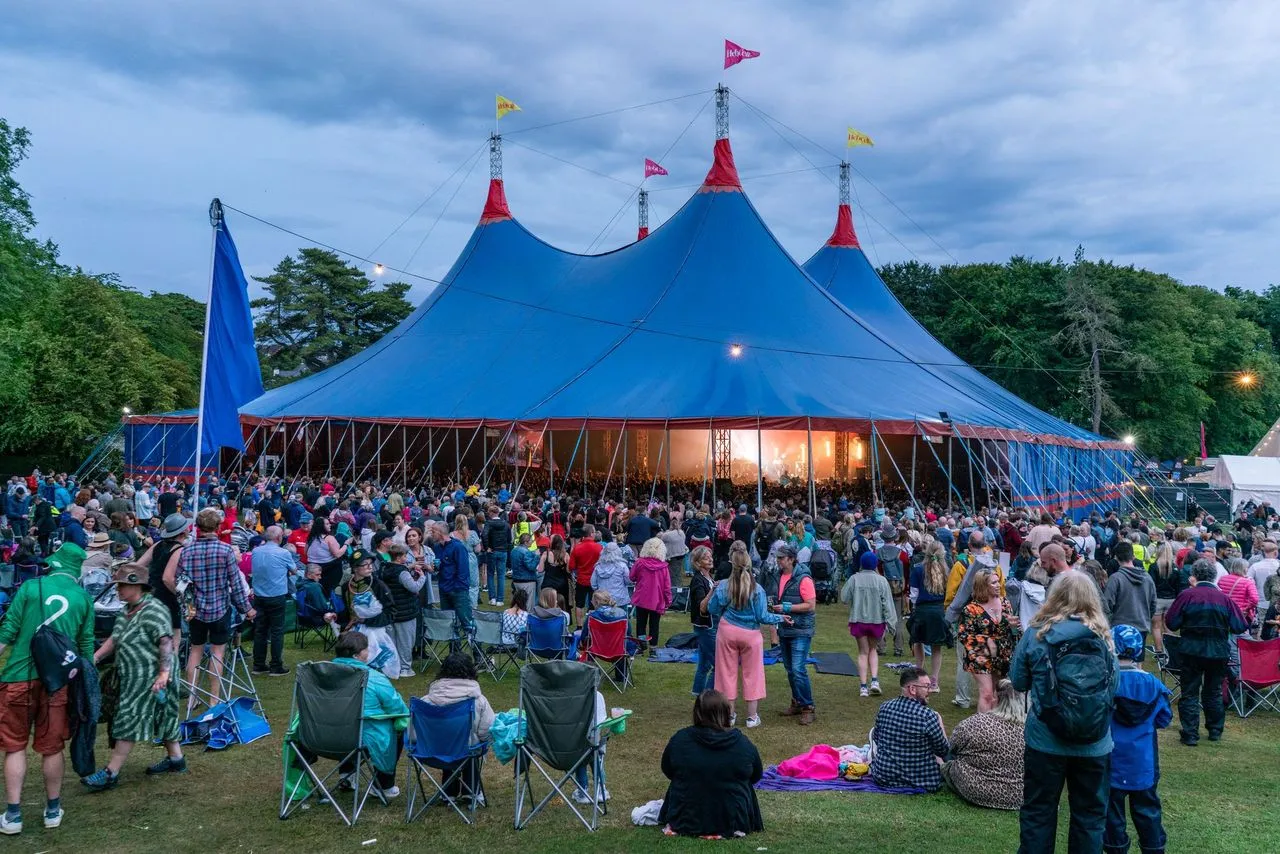
Taking place every July in a small Stornoway field on the Isle of Lewis, the Hebridean Celtic Festival is a four-day, non-camping event, with no permanent power.
By Paddy Davies, Head of Partnerships, Dines
19 August 2026HebCelt Festival
Introduction
HebCelt transforms this remote site every year and will celebrate its 30th edition in 2027.
2026’s festival was its most successful yet, generating £4.4 million for the Isle of Lewis economy, according to the festival's own economic impact report covered by the BBC. More than 18,500 people attended the event across the four days
Coinneach Morrison, one of the volunteer Organisers at HebCelt, has run the festival's bars through that transformation for years, first on a physical token system, then, since last year, entirely on Dines. This transformed the festival's decision making, with millions of trackable data points as evidence to back it.

The challenge
HebCelt wanted guests served quickly between sets, as well as a simple operation behind it. They also needed a system built for a site which uses a temporary power solution and faces significant connectivity headaches.
Tokens got in the way. Every token was worth a fixed amount, enough for one standard drink. If a customer wanted something slightly different, there was no way to charge just a little more or less. Reconciling the tokens meant physically counting them by hand, hourly, throughout the festival, a job that needed a dedicated team of its own. And because every bar takes the same tokens, there was no easy way to track how each of the site's five arena bars was performing.
“There was no data regarding where any item was sold - and we have five separate bars in the arena”
Coinneach Morrison
Organiser
There was a security problem too - tokens can be forged or sourced, and this didn’t align with the sustainable festival HebCelt was looking to run.
The partnership
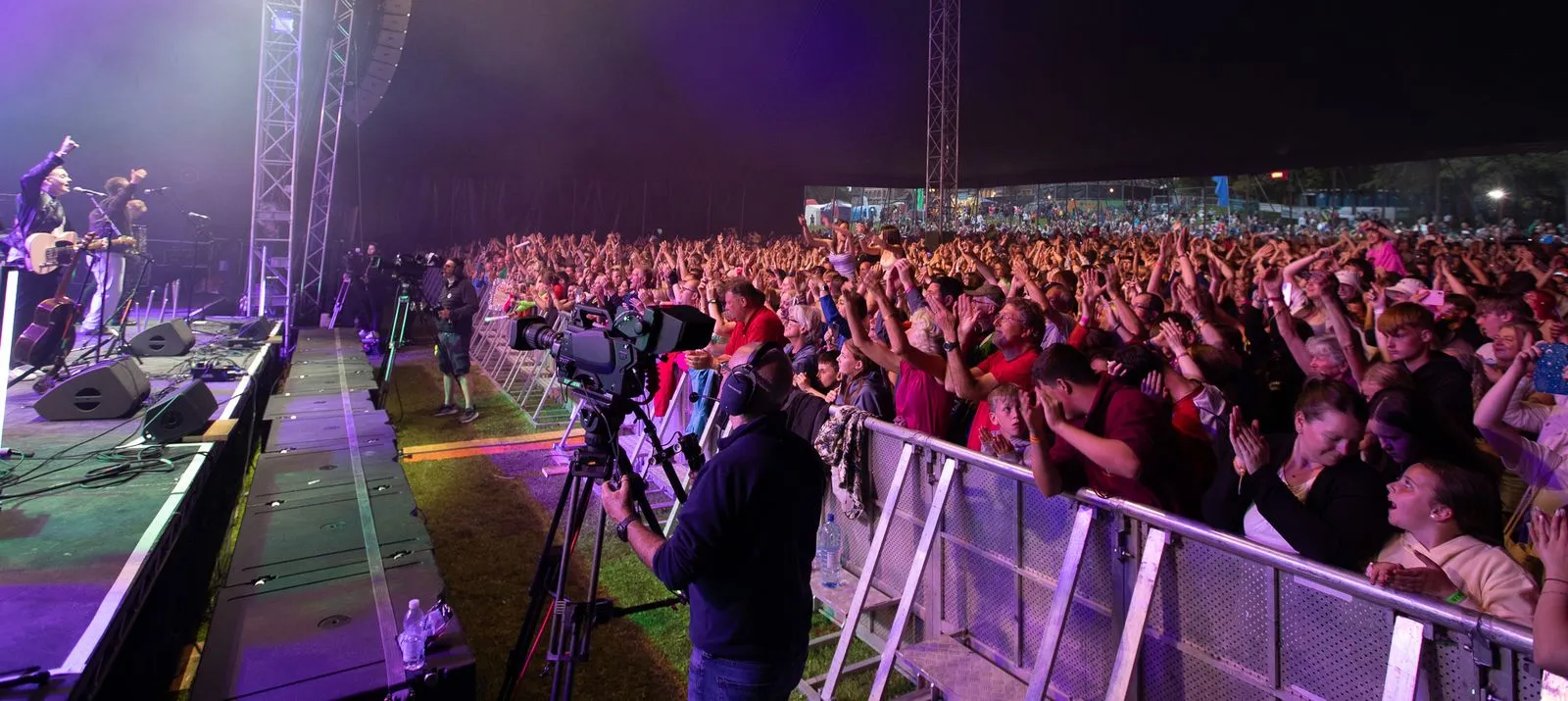
HebCelt's first year on Dines was, by Coinneach's own admission, a nervous one. Moving a remote, token-based festival onto a fully digital point of sale solution raised real concerns. Large-scale connectivity on an island site is never guaranteed and falling back to cash would risk a significant loss in turnover.
Detailed questions were asked of Dines - and they were able to reassure Coinneach and the team. Dines predicted that spend per head would rise once the token system's limitations were gone, and across two seasons, that's exactly what happened. Without a fixed token value capping every round, guests aren't forced to stop, queue, and buy more tokens as the night goes on.
That reliability held up under the site's own conditions too. 4% of total gross sales were taken offline with Dines' offline mode covering the gaps, with an offline sales capture rate of 99.7%.
None of this has ever required anyone from Dines to be on-site. HebCelt runs entirely on dry hire, every device configured and tested before it's shipped out, with support handled remotely once the festival's live.
The results
One of the biggest impacts Dines brought is one Coinneach didn't expect. A team of more than 10 people who used to spend the entire festival physically counting and issuing tokens no longer need to. Now they are redeployed in areas which matter - and deliver a more rewarding experience for everyone involved.
“That freed up an entire team of people after moving on to Dines... some of these guys moved into the ambassador team, and they look after our older and disabled patrons. It just makes the customer experience all the better.”
Coinneach Morrison
Organiser
Another result was real visibility into a business he previously had very little data on. Sales-by-bar data which he never had under the token system let him rebuild his staffing plan from scratch, cutting the main bar's daytime team from 20 down to 12, and pushing the night shift up to 31 to match where the real demand was.
“I changed my staff allocation on the bars this year according to the data I derived from Dines last year. That's data I didn't have previously.”
Then there's the headline number. HebCelt's bar revenue has risen even as footfall has dipped slightly, a trend Coinneach is confident is tied directly to the switch.
“Despite our annual footfall reducing slightly, we're making more at the bars, and that is undoubtedly connected to Dines.”
On the figures: with bar prices largely unchanged year on year, HebCelt's total bar sales rose 17% and revenue per head rose by around 22%, even as footfall dipped slightly. A clear indication of what a faster, more reliable EPOS and Card Payments solution can bring to a busy festival bar setup.
What's next
HebCelt's confidence in Dines now extends beyond the bars. Next year's move brings all 22 vendors onto the system for the first time, alongside a look at using Dines for crew catering. QR-based Voucher redemptions, already used this year for artist drinks and pre-sold corporate upgrade packages, is set to expand further too.
For Coinneach, the business case for any other festival considering the switch is crystal clear:
“Despite the fact that we are a non-profit organisation, we still need to balance the Books. The biggest benefit is you make more money using Dines than you do if you're dependent on a token system. It really is as simple as that. ”
See how Dines works for your venue.
Pick your venue type and we'll show you exactly what gets easier.
Book a call